Updated: November 2025
(Affiliate Disclosure: This post contains affiliate links, meaning I may earn a commission if you make a purchase through my links at no extra cost to you. I only recommend products and services I personally use and believe will add value to your financial freedom journey. Thank you for supporting Abundant Cents!)
The e-commerce landscape in 2025 offers unprecedented opportunities for aspiring entrepreneurs. Unlike traditional brick-and-mortar stores, online businesses require significantly less capital to get started. You won’t need expensive retail space or large inventory investments. Instead, you can operate your business from anywhere—your home office, a coffee shop, or while traveling the world.
The global reach of e-commerce means you’re not limited to local customers. Your products can reach consumers across continents, creating unlimited potential for growth. This scalability allows you to start small and expand as your business grows, reinvesting profits rather than requiring large upfront capital.
Whether you’re looking to start an online store with low investment or launch a full ecommerce business for beginners, this guide covers everything from platform selection to profitable online business strategies that actually work.
6 Essential Steps to Launch a Profitable E-commerce Business
1. Smart Niche Selection
Choosing the right niche is the foundation of any successful ecommerce business for beginners. Your niche determines your product selection, target audience, and ultimately your profitability.
Begin by identifying market gaps where demand exceeds supply. Research tools like Google Trends and SEMrush help identify profitable niches with high demand and lower competition. Study current market trends using industry reports and competitor analysis to understand what’s working.
Look for products or services that solve specific problems or fulfil particular needs within your chosen market. Consider the profit potential of different niches—some might have high demand but low margins, while others offer better profitability with less competition. Research your potential competitors thoroughly to understand their strengths and weaknesses, then position your business to fill gaps they’re missing.
If you’re exploring side hustle opportunities alongside your e-commerce venture, consider how they might complement each other for diversified income streams.
2. Cost-Effective Platform Selection
Selecting the right ecommerce platform comparison is crucial for low cost ecommerce startup success. Each platform offers different features, pricing, and scalability options.
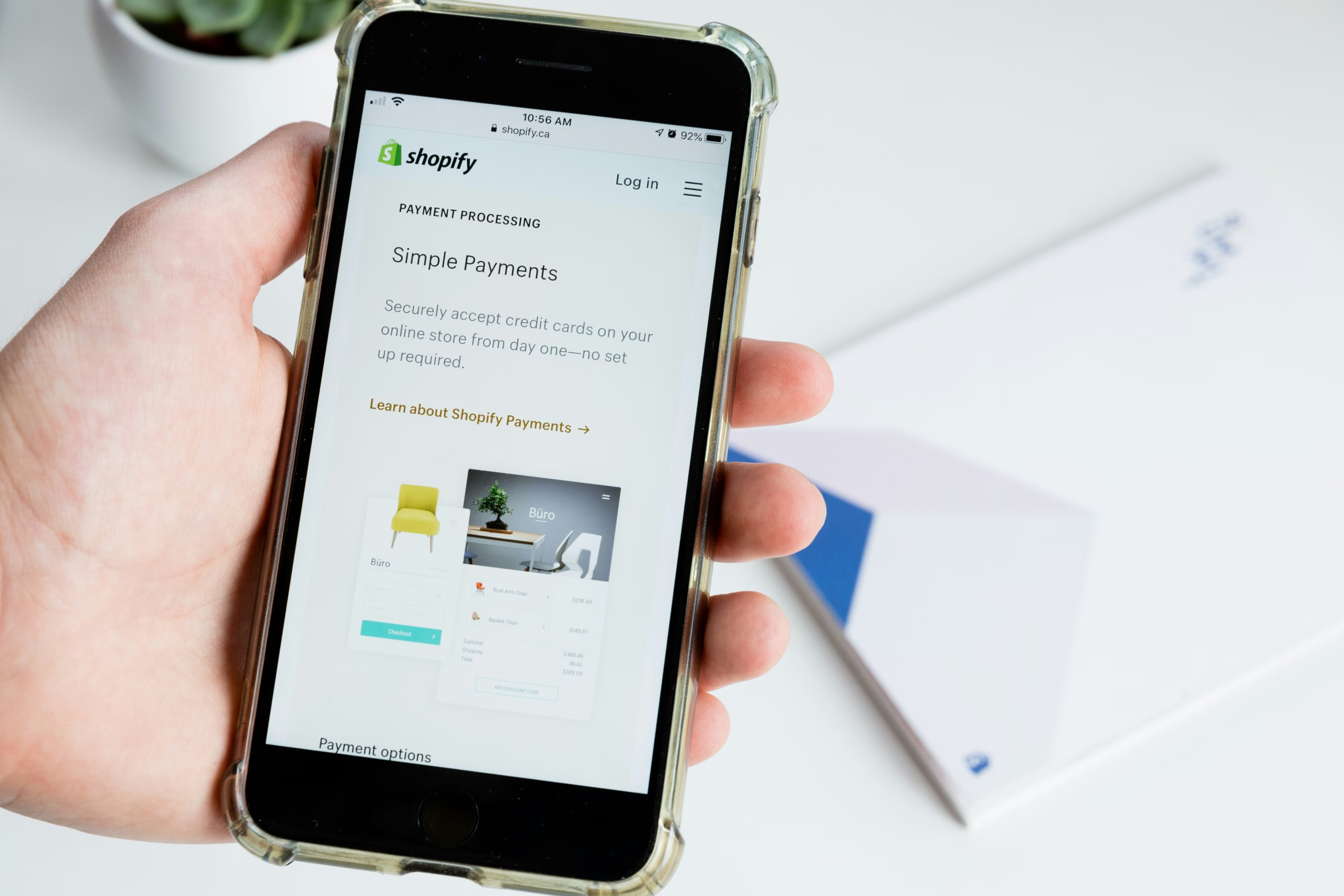
Shopify offers an excellent balance of features and usability for beginners. The Basic plan (£25/month) includes everything you need to launch professionally. Shopify handles all technical aspects, so you can focus on growing your business.
WooCommerce provides a free solution if you’re comfortable with WordPress, though you’ll need to factor in hosting costs (typically $5-15/month). This option works well if you have some technical knowledge and want more control over your store.
BigCommerce offers excellent scalability—they grow with your business without requiring platform migration later. This is ideal if you’re planning rapid expansion.
Etsy provides a built-in audience and lower initial investment, though you’ll pay higher per-sale fees (6.5% + payment processing). This works well for handmade products and niche items.
Choose Shopify for beginners, WooCommerce for cost-conscious entrepreneurs comfortable with WordPress, and BigCommerce for businesses planning rapid growth.
3. Budget-Friendly Store Setup
Creating a professional-looking store doesn’t require expensive designers or developers in 2025. Modern e-commerce platforms offer customizable templates that you can modify to match your brand without any coding.
Focus on clean, mobile-friendly designs that showcase your products effectively. Most customers browse on phones, so mobile optimization is non-negotiable for conversion rates.
Product photography doesn’t need professional equipment—smartphones with good lighting can produce excellent results. Write compelling product descriptions that address customer needs and concerns while incorporating relevant keywords naturally. Ensure your store includes essential pages like About Us, Contact, and clear policies to build trust with potential customers.
Use our Dropshipping Calculator to calculate exact profit margins before finalizing your pricing strategy.
4. Smart Product Sourcing
Dropshipping business setup remains one of the most accessible low investment ecommerce options in 2025. Platforms like AliExpress and Oberlo connect you with verified dropshipping suppliers worldwide. This allows you to start selling without holding inventory.
Research reliable suppliers who can deliver quality products consistently. Read reviews, test their customer service, and order samples before committing to partnerships.
Print-on-demand services offer another excellent option for custom products, requiring no upfront inventory investment. You only pay when customers order.
Digital products offer the ultimate low-investment opportunity. These could include courses, ebooks, software, or digital art—products you create once and sell repeatedly without additional production costs. Digital products have the highest profit margins (often 80-95%) and require zero shipping costs.
5. Cost-Effective Marketing Strategies
Marketing your e-commerce store doesn’t require a massive budget. Focus on organic growth through social media by creating valuable content that resonates with your target audience.
Implement solid SEO practices to improve your visibility in search results. SEO best practices from Moz’s Beginner’s Guide to SEO and Google Search Central help improve organic visibility without paid advertising.
Build an email list from day one—it’s one of the most cost-effective marketing channels available. Engage with your audience through regular newsletters and targeted promotions. Collect emails through lead magnets (free guides, discounts, or exclusive content).
Consider strategic partnerships with complementary businesses or influencers in your niche to expand your reach without paid advertising. Many successful e-commerce entrepreneurs also leverage affiliate marketing strategies to create additional revenue streams.
6. Efficient Operations Management
Streamline your operations from the start to maintain profitability and scalability. Implement automated inventory tracking systems to prevent stockouts or overstocking, which directly impacts your profit margins.
Choose shipping solutions that balance cost with customer satisfaction—this is often where new entrepreneurs lose profitability. Compare shipping providers and negotiate rates as your volume grows.
Utilize customer service automation tools to handle routine inquiries while maintaining personal responses for complex issues. Platforms like Shopify include built-in tools for managing orders and customer communication.
Consider integrating your store with accounting software to track expenses and revenue accurately. This helps you understand your true profitability and identify areas for improvement. Understanding monetization strategies can help you maximize revenue from every customer interaction.
How to Make Your E-commerce Business Profitable: Proven Strategies
Profitability in e-commerce comes from careful attention to both revenue and costs.
Focus on products with healthy profit margins, typically 40% or higher. This accounts for platform fees, payment processing, shipping, customer acquisition costs, and operational expenses.
Implement strategic upselling and cross-selling to increase average order value. Bundle complementary products, offer premium versions, and suggest related items at checkout.
Build customer loyalty through excellent service and engagement programs. Repeat customers have higher lifetime value and lower acquisition costs.
Monitor your metrics closely—conversion rates, customer acquisition costs, and return on ad spend are crucial indicators of your business’s health. Use our Subscription Audit Calculator to track recurring expenses and identify optimization opportunities.
Regularly optimize your store based on customer feedback and performance data. Test different product descriptions, images, pricing, and marketing messages to find what resonates.
Initial Investment Requirements: Starting Your E-commerce Business
One of the most attractive aspects of starting an e-commerce business in 2025 is the surprisingly low barrier to entry, especially with platforms like Shopify.
Shopify Start-up Costs
Shopify offers a 3-day free trial, allowing you to set up your store and familiarize yourself with the platform without spending a penny. After that, their Starter plan is just $5/month—perfect for selling through social media and messaging apps while you build your business.
The Basic plan starts at £25/month and includes:
- Unlimited products
- Professional store design
- SSL certificate (security)
- 24/7 customer support
- Built-in SEO tools
- Mobile-optimized storefront
Additional Essential Costs
Beyond your Shopify subscription, here’s what you’ll need to budget for:
- Domain name: $12/year (or free with annual Shopify plan)
- Logo & branding: $0-50 (DIY with Canva or hire on Fiverr)
- Product sourcing/inventory: $50-100 (test products)
- Email marketing tool: Free tier available (Mailchimp, Brevo)
- Basic SEO/analytics: Free (Google Analytics, Search Console)
Total Minimum Investment to Launch: Under $200
It’s best to start small and scale based on results. You can literally launch your e-commerce business for less than what many people spend on coffee each month.
Cost-Saving Tips
To make your investment even more efficient:
- Use the Shopify Starter plan (£1/month for 3 months) initially instead of Basic
- Design your own logo with free tools like Canva
- Source test products from dropshipping suppliers (no upfront cost)
- Use free email marketing platforms until you have 500+ subscribers
- Leverage free social media for marketing instead of paid ads
- Start with 5-10 products instead of a massive catalog
Remember, many successful e-commerce entrepreneurs started with minimal investment on Shopify and grew their businesses through reinvesting profits. The key is to start lean and scale strategically as your revenue grows.
Timeline to Profitability
Understanding your online store profitability timeline helps set realistic expectations for your ecommerce business for beginners.
Most successful e-commerce businesses see their first sales within 1-2 months of launch. However, consistent profitability typically takes 3-6 months to achieve. Success depends on your niche selection, marketing efforts, product quality, and customer service. Some entrepreneurs reach profitability faster with effective SEO and social media strategies.
Month 1: Platform setup, store design, initial product listings
Month 2-3: First sales, customer feedback, optimization
Month 4-6: Consistent sales, profitability achieved, scaling begins
Many entrepreneurs diversify with passive income strategies to create multiple revenue streams alongside their e-commerce business.
Technical Requirements
Modern e-commerce platforms have eliminated most technical barriers. If you can use basic office software and navigate social media, you have the technical skills needed to start. Platforms like Shopify and WooCommerce handle the complex technical aspects, letting you focus on growing your business.
You don’t need to know HTML, CSS, or any programming language. You don’t need to understand server management or database administration. Modern drag-and-drop builders make store creation intuitive and accessible to everyone.
Proven Success Strategies
1. Cross-Platform Integration
Integrate multiple sales channels. While your e-commerce store serves as your primary platform, consider expanding to:
- Amazon: Massive audience, but higher fees
- eBay: Great for specific product categories
- Social media shops: Instagram and Facebook shopping features
- Marketplace platforms: Etsy, Shopee, or regional alternatives
Selling on multiple platforms increases visibility and reduces dependence on any single channel.
2. Content Marketing Excellence
Create valuable content that:
- Educates your audience about your products and industry
- Answers common customer questions
- Establishes you as an authority in your niche
- Drives organic traffic through SEO
- Builds trust before customers buy
Blog posts, tutorials, comparison guides, and how-to videos all drive traffic and conversions.
3. Customer Experience Focus
Implement a customer-centric approach:
- Fast, reliable shipping
- Clear return policies
- Responsive customer service
- High-quality product photos
- Detailed product descriptions
- Easy checkout process
- Post-purchase follow-up
Excellent customer experience generates repeat purchases and positive reviews that drive future sales.
Frequently Asked Questions
How much money do I need to start an e-commerce business?
You can launch a profitable e-commerce business with under $200 total investment. This includes a Shopify Starter plan (£25/month), domain name (£12/year), basic branding, and initial product sourcing or dropshipping setup. Many successful entrepreneurs started with even less by using free platforms like WooCommerce.
What’s the best e-commerce platform for beginners in 2025?
Shopify is ideal for most beginners due to its user-friendly interface, built-in features, and affordable pricing starting at £25 per month. WooCommerce offers a free alternative if you’re comfortable with WordPress. Etsy works well for handmade products with built-in traffic. Choose based on your product type, technical comfort level, and long-term scalability needs.
How long does it take to make money with an e-commerce business?
Most e-commerce businesses see their first sales within 1-2 months of launch. However, consistent profitability typically takes 3-6 months to achieve. Success depends on your niche selection, marketing efforts, product quality, and customer service. Some entrepreneurs reach profitability faster with effective SEO and social media strategies.
Is dropshipping still profitable in 2025?
Yes, dropshipping remains profitable in 2025 when executed strategically. Success requires finding underserved niches, selecting quality suppliers, and implementing effective marketing. While competition has increased, entrepreneurs who focus on customer experience and niche specialization continue generating substantial income through dropshipping.
What products sell best in e-commerce?
Best-selling products typically solve specific problems or fulfill particular needs. Popular categories include health and wellness, home and kitchen, technology accessories, fashion, and beauty products. Research your target audience’s pain points and preferences. Use tools like Google Trends and competitor analysis to identify profitable product opportunities in your chosen niche.
Do I need technical skills to start an e-commerce business?
No technical skills are required in 2025. Modern e-commerce platforms like Shopify handle all technical aspects automatically. If you can use basic office software and navigate social media, you have sufficient skills to launch and manage an online store. Most platforms offer free training and 24/7 customer support.
How do I market my e-commerce store on a budget?
Cost-effective marketing strategies include organic social media content creation, SEO optimization for search visibility, email list building, and strategic partnerships with complementary businesses. Focus on providing genuine value to your audience rather than paid advertising initially. These methods generate sustainable, long-term growth without requiring large marketing budgets.
What profit margin should I target for e-commerce products?
Aim for a minimum 40% profit margin on most products. This accounts for platform fees, payment processing, shipping, customer acquisition costs, and operational expenses. Some niches support higher margins (50-70%), while others operate on tighter margins. Calculate your specific costs and adjust pricing accordingly to maintain profitability.
How do I choose between Shopify, WooCommerce, and BigCommerce?
Shopify offers simplicity and affordability (£25/month) with no technical requirements. WooCommerce is free but requires WordPress hosting and more technical knowledge. BigCommerce provides advanced features for scaling businesses. Choose Shopify for beginners, WooCommerce for cost-conscious entrepreneurs comfortable with WordPress, and BigCommerce for businesses planning rapid growth.
Can I run an e-commerce business part-time?
Yes, many successful e-commerce entrepreneurs started part-time while maintaining other income sources. Initial setup takes 1-2 weeks, then ongoing management requires 10-15 hours weekly for beginners. As your business scales with automation and systems, you can reduce time investment while maintaining or increasing revenue.
What are the biggest mistakes new e-commerce entrepreneurs make?
Common mistakes include poor niche selection, inadequate market research, underpricing products, neglecting customer service, insufficient marketing investment, and giving up too early. Avoid these by thoroughly researching your niche, maintaining healthy profit margins, prioritizing customer experience, and committing to consistent effort for at least 6 months.
How do I handle customer service and returns?
Implement clear return policies upfront to manage expectations. Use customer service automation tools for routine inquiries while maintaining personal responses for complex issues. Platforms like Shopify include built-in tools for managing orders and customer communication. Excellent customer service builds loyalty and generates positive reviews that drive future sales.
Action Steps to Launch Your E-commerce Business
- Research your niche using Google Trends and competitor analysis (1-2 days)
- Choose your platform and sign up for a free trial (1 day)
- Design your store using a template and customize branding (2-3 days)
- Create product listings with descriptions, images, and pricing (2-3 days)
- Set up payment processing and shipping options (1 day)
- Launch your store and announce to your network (1 day)
- Implement marketing through social media and email (ongoing)
- Monitor metrics and optimize based on performance (ongoing)
Conclusion: Start Your Profitable E-commerce Business Today
Starting a profitable e-commerce business in 2025 with low investment is not just possible—it’s a realistic path to financial freedom when executed correctly. By following this guide, you can build a thriving online business without significant upfront costs.
Remember, success in e-commerce comes from consistent effort, continuous learning, and adaptability. Start small, focus on providing value to your customers, and scale gradually as you learn what works best for your market.
Ready to launch your profitable e-commerce business? Start with a Shopify trial today. Test the platform, explore features, and build your first product listings risk-free. Then use our Dropshipping Calculator to determine exact profit margins for your products.
If you’re passionate about your niche, learn how to turn your passion into a profitable online business by combining e-commerce with your expertise.
Your e-commerce success story starts now. The digital marketplace is waiting for your unique contribution. Take the first step today.