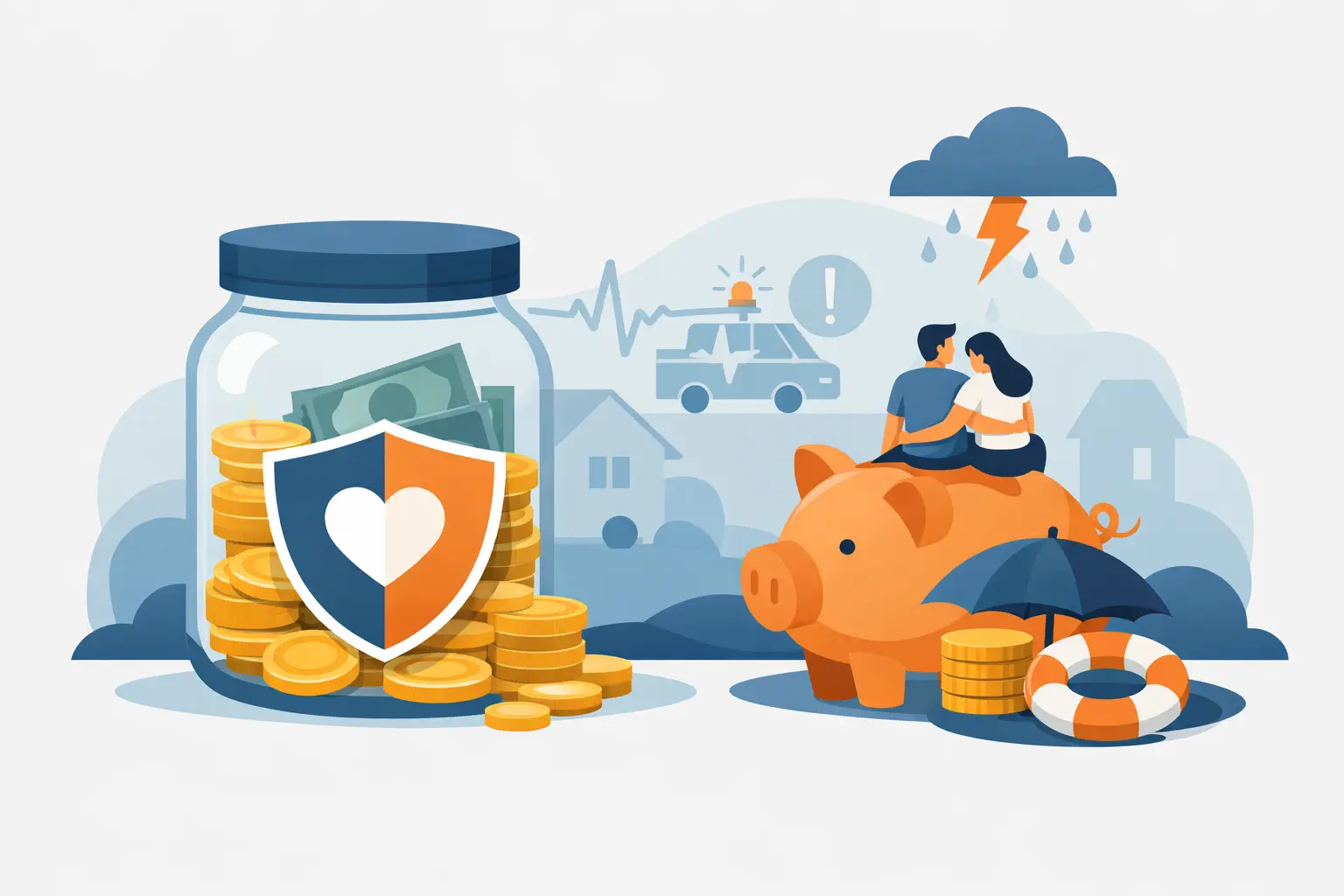
One broken boiler, an unexpected dental bill, or a sudden drop in income can throw even a well-planned budget off course. That is exactly why people ask, what is an emergency fund? At its core, it is money set aside specifically for life’s genuine surprises, so you do not have to rely on credit cards, overdrafts, or panic.
An emergency fund is not just a savings pot. It is a financial buffer that helps you stay in control when life gets expensive without warning. If you are trying to build wealth, pay off debt, or start a side hustle, this fund gives you breathing room. It protects the progress you are making.
What is an emergency fund?
An emergency fund is cash savings reserved for urgent, necessary, and unexpected expenses. Think job loss, car repairs, home repairs, emergency travel, or a medical cost that cannot wait. The purpose is simple: to cover essentials when your normal income or monthly budget is not enough.
The key word here is emergency. This money is not for planned spending, lifestyle upgrades, or impulse buys. It is not for Christmas shopping, a new phone because yours feels outdated, or concert tickets that looked too good to miss. If the expense is predictable, it should sit in a separate sinking fund instead.
That distinction matters because when every savings pot gets blurred together, people often spend their emergency savings without realising it. A proper emergency fund works best when it has one clear job.
Why an emergency fund matters more than people think
A lot of people see saving as something they will do once they earn more. In reality, an emergency fund is often the thing that helps you stop losing ground while you work on increasing your income.
Without one, a single setback can create a chain reaction. You cover an urgent expense with a credit card, then the repayment eats into next month’s budget, then another bill arrives, and suddenly you are behind again. It is not usually one big financial mistake that causes stress. It is the knock-on effect of not having cash available when you need it.
An emergency fund helps break that cycle. It can reduce debt reliance, lower financial stress, and give you more confidence to make smarter long-term moves. That might mean staying consistent with your debt payoff plan, continuing to invest, or not giving up on a business idea because one bad month hit your bank account.
There is also a mindset shift that comes with having even a small buffer. You move from reacting to problems to handling them. That sense of control is powerful.
How much should you have in an emergency fund?
This is where personal finance stops being one-size-fits-all. You will often hear advice to save three to six months of essential expenses. That is a useful guideline, but the right amount depends on your situation.
If your income is stable, you have a secure job, and your living costs are fairly low, three months might feel solid. If you are self-employed, rely on variable income, support a family, or would take longer to replace your earnings, you may want closer to six months or more.
The most helpful place to start is not the final number. It is your first milestone.
For many beginners, aiming for £500 to £1,000 is a realistic starting point. That amount will not cover every crisis, but it can handle a lot of common emergencies and stop smaller problems becoming expensive debt. Once that starter fund is in place, you can work towards a larger target based on your essential monthly costs.
To estimate your full emergency fund, add up the expenses you would still need to pay if your income dropped. Usually that includes rent or mortgage, food, bills, transport, insurance, minimum debt payments, and basic household costs. It does not need to cover every extra.
What counts as a real emergency?
This is where honesty matters. A real emergency is usually unexpected, urgent, and necessary. If all three apply, your fund may be the right tool.
A boiler breaking in winter is an emergency. Needing to replace a tyre so you can get to work is an emergency. Covering essentials after redundancy is an emergency.
A holiday deal ending tonight is not. Neither is upgrading your wardrobe for a special event or covering overspending from a weekend out. Those situations may feel pressing, but they are not what this money is for.
If you struggle with the grey areas, create a simple rule before you need the money: I only use this fund for expenses that protect my health, home, income, or safety. That can make decisions much easier in the moment.
Where should you keep your emergency fund?
Your emergency fund should be easy to access, but not so easy that you dip into it for random spending. For most people, that means a separate easy-access savings account.
You want the money to stay safe and liquid. This is not the place to chase high returns through investing. The stock market can go down just when you need the cash, and emergencies rarely wait for a recovery.
A separate account also helps psychologically. When your emergency savings are mixed in with your everyday current account, they can start to look available. Keeping them apart creates a useful barrier.
If your income is irregular, it can also help to keep one portion very accessible and another in a linked savings account that still allows withdrawals. The best setup is the one that protects the money while letting you reach it quickly when you genuinely need it.
How to build an emergency fund when money is tight
This is the point where many people switch off because they assume they need spare cash they simply do not have. But building an emergency fund is usually less about one dramatic deposit and more about consistency.
Start small and make it automatic. Even £10, £25, or £50 each payday creates momentum. What matters first is the habit, not the speed.
Next, look for money leaks you can redirect without making life miserable. That could be cancelled subscriptions, takeaway spending, impulse shopping, or rising bills you have not reviewed in months. You do not need to cut everything. You just need to free up enough cash to give your future self options.
Extra income can speed things up even more. Selling unused items, doing freelance work, picking up overtime, or starting a small side hustle can all help you build your buffer faster. This is where a wealth-building mindset matters. Saving is one side of the equation, but increasing income gives you more room to breathe.
If you get a tax refund, work bonus, gift money, or any unexpected cash, consider putting part of it into your emergency fund before it disappears into everyday spending.
Should you save an emergency fund or pay off debt first?
This is a common question, and the answer depends on the type of debt and how fragile your finances feel right now.
If you have high-interest debt, paying it down matters. But if you throw every spare pound at debt and keep no emergency savings at all, one surprise expense can send you straight back to borrowing. That is why many people do best with a two-stage approach.
First, build a small starter emergency fund. Then focus hard on expensive debt. After that, grow your emergency fund to a fuller amount.
It is not always about choosing one or the other completely. Sometimes the smartest move is creating a bit of protection first so your debt plan actually holds.
Common mistakes people make
One mistake is waiting for the perfect time to start. There usually is no perfect time. Starting small now beats planning big later.
Another is keeping the target too vague. Saying “I should save more” is easy to ignore. Saying “I am building £1,000 for emergencies by saving £40 a week” is clearer and far more actionable.
People also underestimate how often irregular costs appear. Not every surprise is a true emergency. Some expenses feel unexpected only because they were not planned for. Car servicing, birthdays, school costs, and annual insurance premiums should usually have their own savings categories.
Finally, some people feel discouraged when they use their emergency fund. But using it for a real emergency means it worked. The goal is not to never touch it. The goal is to have it there when life happens, then rebuild it afterwards.
What is an emergency fund really giving you?
Yes, it gives you money for emergencies. But more than that, it gives you options. It can buy you time after a job loss, reduce the pressure to make rushed decisions, and help you stay focused on bigger financial goals.
That is why this habit matters even if you are also working on debt, budgeting, or growing your income. Financial freedom is not built only by chasing more. It is also built by protecting what you are building.
At Abundant Cents, that is the bigger picture: creating enough stability that you can move forward with confidence, not fear. Start with the amount you can manage, keep it separate, and let it grow. Your emergency fund may begin as a small safety net, but over time it becomes proof that you are building a stronger financial life on purpose.