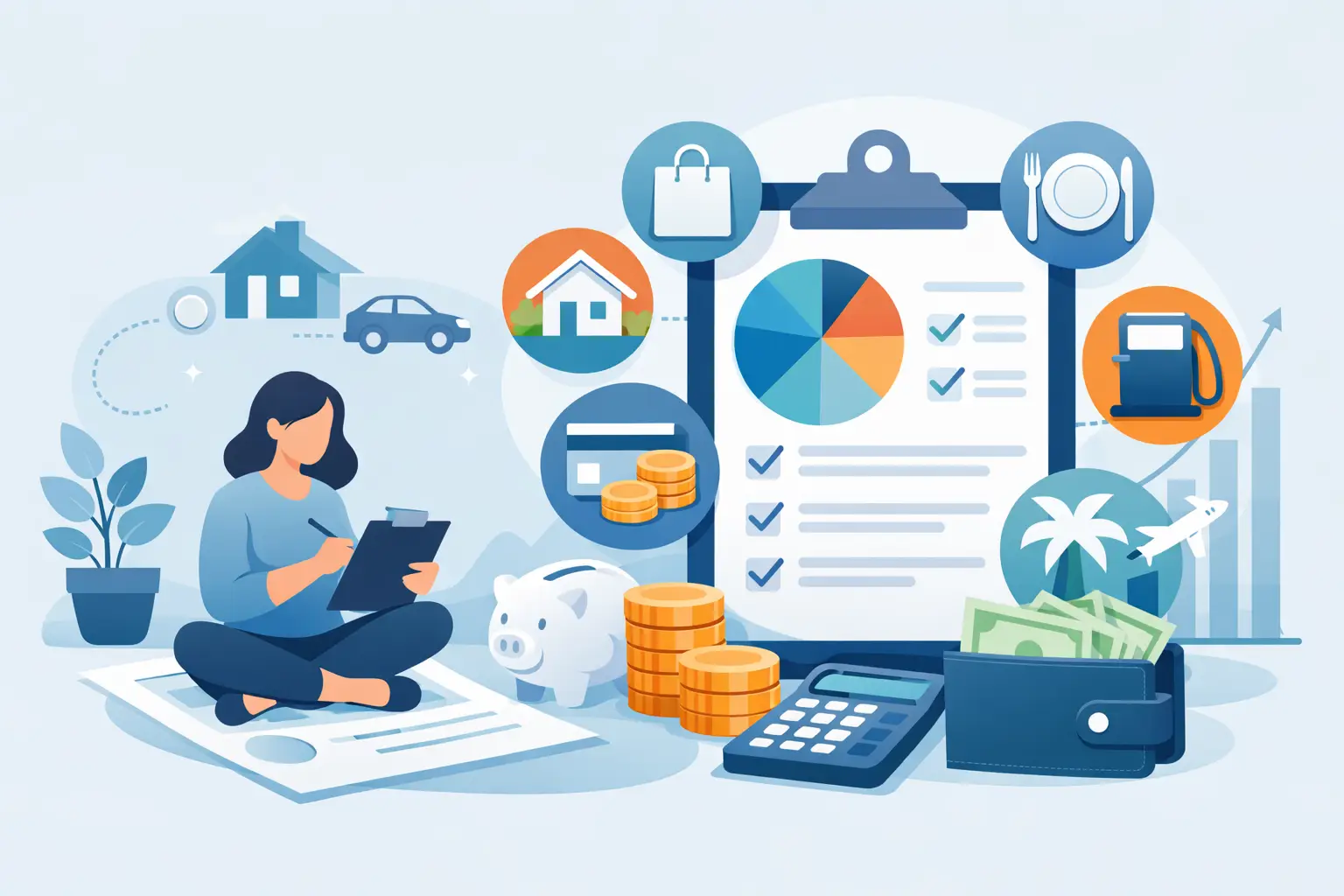
Most budgets fail for one simple reason: the categories are either too vague to guide your spending or so detailed that you give up by week two. A solid monthly budget categories list fixes that. It gives every pound a job, shows you where your money is really going, and helps you make progress without feeling boxed in.
If you have ever opened your banking app and wondered how your pay disappeared so quickly, this is where to start. The goal is not to create a perfect spreadsheet. The goal is to build a budget that reflects real life, supports your priorities, and leaves room for both stability and growth.
Quick answer: what budget categories do you need?
Start with these core categories: housing, bills, food, transport, debt, savings, personal spending, and fun. Then add a few “future costs” categories like sinking funds, health, gifts, and side hustle expenses so irregular spending stops wrecking your month.
What a monthly budget categories list should actually do
A good budget is not just a spending tracker. It is a decision-making tool. Your categories should make it easier to tell the difference between essentials, lifestyle choices, future goals, and the random expenses that always seem to pop up.
That matters because when your categories are clear, your money stops drifting. You can spot overspending faster, plan for irregular costs, and protect your bigger goals, whether that is clearing debt, building an emergency fund, or freeing up cash to start a side hustle.
The best setup is usually simple at the top level, with enough detail underneath to stay useful. If you create 30 tiny categories straight away, you may end up spending more time managing the budget than improving it.
Core monthly budget categories list
For most households, your monthly budget categories list should start with a few major buckets: housing, bills, food, transport, debt, savings, personal spending, family costs, and fun. Those broad groups cover most day-to-day financial life without making the system too fiddly.
Housing
This is normally the biggest category, so it deserves its own space. Include rent or mortgage payments, service charges if you have them, council tax, and home insurance if that is paid monthly. If you are a homeowner, you may also want a small home maintenance line even if nothing needs fixing right now.
Housing costs are often treated as fixed, and many of them are. But not all of them are. If your utility bills fluctuate or you are paying more than expected for repairs, this category can quietly creep up unless you keep an eye on it.
Utilities and household bills
Group together electricity, water, broadband, mobile phone, TV licence, and any subscriptions tied to running the household. If you prefer, streaming services can sit here or under entertainment, but keep them in one place.
This category is useful because it highlights recurring expenses. Small direct debits often feel harmless on their own, but together they can eat into your margin.
Food and groceries
This usually works best as two separate lines: groceries and eating out. Groceries cover supermarket spending, household staples, and packed lunch ingredients. Eating out covers cafés, takeaways, meal deals, and restaurant spending.
Combining the two can hide patterns. If your grocery budget looks high, the issue may not be the weekly shop at all. It may be the last-minute takeaway habit after a long workday.
Transport
Include fuel, train fares, bus travel, parking, vehicle insurance, road tax, servicing, and car repayments if you have them. If you cycle or use a motorbike, tailor the category to match.
Transport spending can be tricky because part of it is monthly and part of it is occasional. That is why it often helps to split regular travel from annual or irregular vehicle costs.
Debt repayments
This covers credit cards, personal loans, buy now pay later balances, overdraft repayments, and student loan payments if you actively budget for them. Minimum payments belong here, but if you are trying to become debt-free faster, add your overpayments too.
Keeping debt visible matters. If repayments are hidden inside other categories, it is harder to measure progress and harder to stay motivated.
Savings and investing
This is where your budget starts to build wealth, not just manage bills. Include emergency fund savings, sinking funds, ISA contributions, pension top-ups, investing, and any money you set aside for future goals.
Many people budget savings last, using whatever is left at the end of the month. In practice, that often means saving very little. Giving savings its own category helps you treat future-you like a real financial priority.
Personal spending
This is your flexible spending category. It can include clothes, toiletries, haircuts, hobbies, low-cost treats, and guilt-free spending money. If you share finances with a partner, separate personal spending lines can prevent friction.
This category is easy to underestimate, especially if lots of small purchases happen through contactless spending. That does not mean personal spending is bad. It just means it deserves a realistic number.
Family and childcare
If this applies to your household, include childcare fees, school meals, clubs, baby supplies, pocket money, and family activities. This can also cover child maintenance or shared parenting expenses where relevant.
Family costs are rarely static. Children grow, schedules change, and one month can look very different from the next. Build in breathing room if you can.
Entertainment and lifestyle
This covers nights out, streaming, hobbies, birthdays, social plans, gym memberships, and leisure spending. Some people prefer to merge this with personal spending, but keeping it separate can make your budget more honest.
The point is not to cut out everything enjoyable. A sustainable budget includes room for life. Financial freedom is easier to stick with when it does not feel like punishment.
Categories people forget until they become expensive
A monthly budget categories list should also account for costs that do not arrive neatly every four weeks. These are the expenses that can throw off an otherwise decent plan.
Sinking funds
A sinking fund is money you set aside gradually for expected future costs. Think Christmas, birthdays, annual insurance, school uniforms, MOTs, holidays, and home repairs. These are not emergencies because you know they are coming.
Without sinking funds, these costs tend to land on a credit card or wipe out your monthly cash flow. With them, the expense still happens, but the stress is lower.
Health and wellbeing
Include prescriptions, dental care, therapy, private treatment, glasses, supplements, and fitness-related costs if they are part of your normal routine.
Health costs are a classic example of why one-size-fits-all budgets rarely work. One person may need almost nothing here. Another may need a meaningful monthly amount.
Giving
If charitable giving, tithing, gifts, or helping family is part of your life, budget for it directly. Generosity works better when it is intentional, not squeezed out of whatever is left.
Business or side hustle expenses
If you freelance, sell online, or are building extra income, create a category for tools, stock, platform fees, packaging, software, or training.
A budget should not only protect your current lifestyle. It can also fund your next income stream.
How to customise your monthly budget categories list
The right categories depend on your life stage, income style, and financial goals. A renter in their twenties will not need the same setup as a family with two children and a car. Someone paid a fixed salary can budget differently from someone with freelance income.
Start with broad categories, then adjust after one full month of tracking. If a category feels too broad to be useful, split it. If two categories are always blurred together, combine them. Your budget should serve you, not the other way around.
A helpful rule is this: create enough categories to make better choices, but not so many that you stop using the budget. If you constantly avoid updating it, the system is too complicated.
A simple way to set amounts for each category
Use the last two to three months of bank statements as your baseline. Review what you actually spent, not what you hoped you spent. Average out variable costs where it makes sense, then assign target amounts for the month ahead.
For irregular expenses, divide the annual total by 12 and save that amount monthly. If your car insurance is £600 a year, set aside £50 a month. If Christmas normally costs £480, save £40 monthly rather than scrambling in December.
If your income varies, budget from your lowest reliable month first. Cover essentials, minimum debt payments, and basic savings. Then create a plan for any extra income, such as topping up sinking funds, making debt overpayments, or investing.
That is where budgeting becomes empowering. You are not just reacting to money. You are directing it with purpose.
When your categories are not working
If you keep overspending in one category, do not assume you lack discipline. The number may simply be unrealistic. A budget that ignores inflation, family needs, or your actual habits will fail no matter how motivated you are.
And if your budget feels tight every month, the answer may not only be to cut back. Sometimes the real opportunity is increasing income. That might mean overtime, freelancing, selling unused items, or building a small side hustle. Better money management and stronger earning power can work together.
Your budget categories are not there to make you feel guilty. They are there to make progress visible. Once your money has clear lanes, you can spend with more confidence, save with more consistency, and build towards a life with more options.
Start simple, adjust as you go, and let your budget become proof that your money can support the future you want.