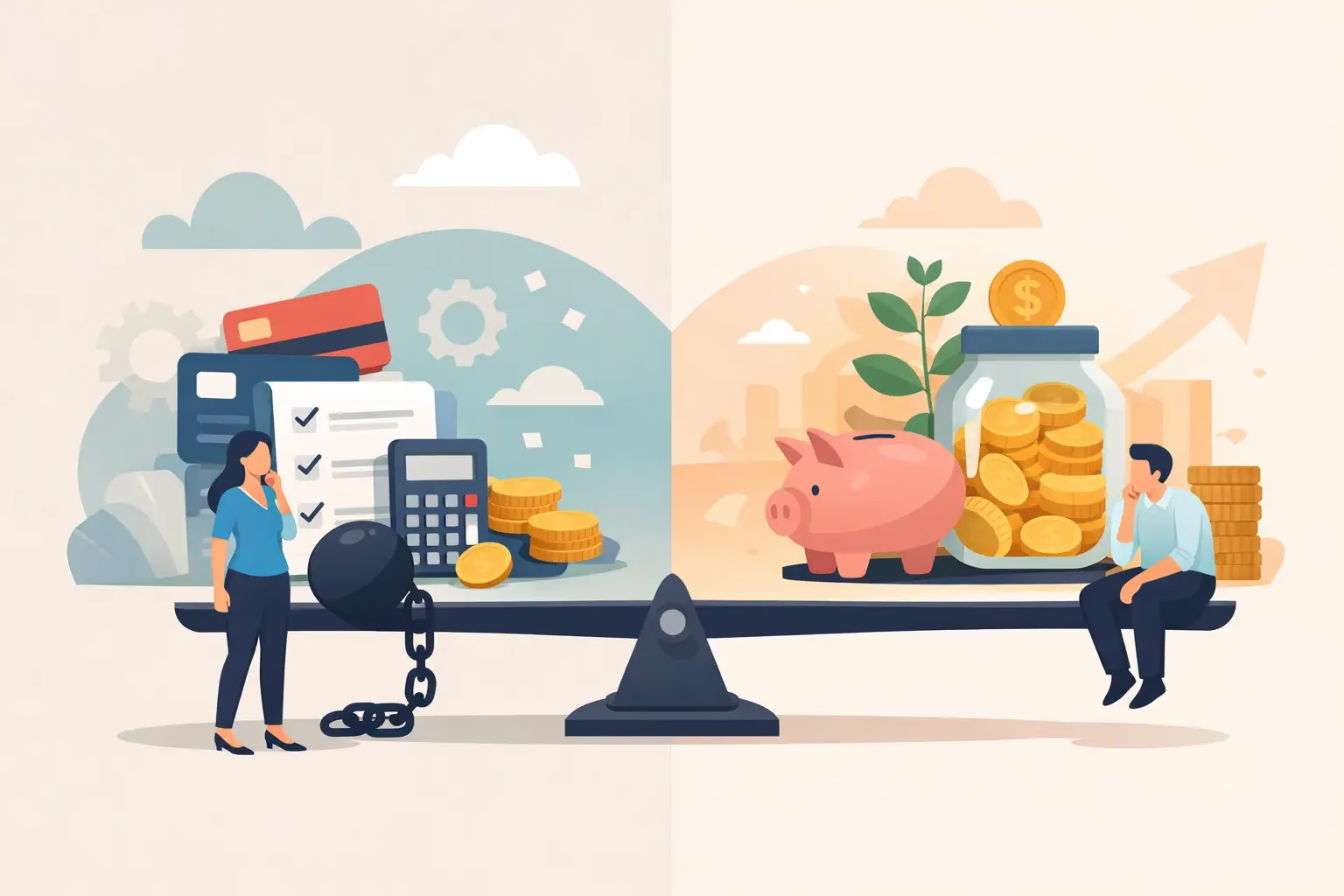
That moment when you have a bit of extra money and have to choose where it goes can feel surprisingly stressful. Should it tackle the credit card balance, boost your emergency fund, or sit in savings for a bigger goal? Debt payoff versus saving is one of the most common money dilemmas because both options are smart. The real question is which one gives you the strongest next step for your finances right now.
If you have ever felt stuck between wanting peace of mind and wanting to get rid of debt faster, you are not behind. You are making a strategic decision. And the best answer is rarely an extreme one.
Quick answer: debt payoff vs saving
If you have no savings at all, build a small starter emergency fund first. If your debt is high-interest (credit cards, overdrafts, payday loans), prioritise paying it down fast. If your debt is low-interest and your income is unstable, saving usually deserves more attention. For most people, a split approach works best: build a starter buffer, then focus on expensive debt while saving a small fixed amount each month.
Debt payoff versus saving: why this choice matters
Every pound you direct has a job. Put it towards debt, and you reduce interest, free up monthly cash flow, and move closer to financial breathing room. Put it into savings, and you create a buffer that can stop future borrowing when life throws you a surprise bill.
That is why this decision matters so much. Paying off debt can improve your numbers on paper, but having no savings at all can leave you one car repair, boiler issue, or rent increase away from using debt again. Saving money can feel responsible, but if you are carrying high-interest debt, your savings may grow more slowly than your debt costs you.
So the goal is not to pick the morally better option. It is to pick the financially stronger one for your situation.
Start with the type of debt you have
Not all debt should be treated the same. A credit card charging a high rate is very different from a student loan, a mortgage, or an interest-free balance that ends next year.
High-interest debt usually deserves urgent attention. If your credit card or overdraft is costing you far more in interest than your savings account could ever earn, debt payoff often wins. Every extra payment gives you a guaranteed return in the form of avoided interest.
Lower-interest debt is less clear-cut. If your loan rate is modest and your monthly payments are manageable, building savings alongside repayment can make more sense. You are buying flexibility, not just doing maths.
Then there is promotional debt, such as 0% finance or balance transfers. These can be useful, but only if you have a plan to clear them before the offer ends. In that case, saving and debt payoff may need to happen together. You might keep a small cash buffer while setting aside enough to clear the balance on time.
Why a starter emergency fund changes everything
If you have no savings at all, start there first, even if you have debt. Not because debt is harmless, but because life is expensive and unpredictable.
A starter emergency fund gives you a line of defence. It helps you cover urgent costs without swiping a card or leaning on Buy Now, Pay Later. For many people, this first savings goal is what stops the cycle of progress and setback.
You do not need a huge amount to begin. Even a modest buffer can reduce panic and create momentum. Think of it as stabilising your finances before you accelerate.
For beginners, a simple order often works well: build a starter emergency fund, then focus harder on expensive debt, then grow your savings further once the worst debt is gone. It is not flashy, but it is effective.
When debt payoff should come first
There are times when the best move is to push aggressively on debt.
If you are carrying high-interest credit card debt, payday loans, or expensive personal borrowing, paying it down quickly can save you a meaningful amount of money. In many cases, the interest rate is so high that holding extra cash in savings while making only minimum payments costs more in the long run.
Debt payoff should also move up your priority list if your monthly debt payments are squeezing your budget. Clearing balances can free up cash flow, which then gives you more room to save, invest, or put money into a side hustle later. Sometimes reducing debt is what creates the space for everything else.
There is also the emotional side. Some people feel a constant mental drag from debt. If that stress is affecting your focus, sleep, or confidence, faster repayment can have a real quality-of-life benefit. Personal finance is not only about the highest spreadsheet return. It is also about building a life that feels more stable and more in your control.
When saving should come first
Saving deserves priority when your finances are fragile.
If one unexpected bill would send you straight back to borrowing, your immediate risk is not the debt you already have. It is the next emergency. In that case, building cash reserves first can protect you from digging a deeper hole.
Saving may also come first if your debt is low-interest and manageable, especially if your income is variable. Freelancers, commission-based workers, and side-hustlers often benefit from stronger savings because uneven income makes cash flow more important.
There are also short-term goals that matter. If moving house, replacing a car, or covering childcare costs is coming soon, some savings may need to happen now. The key is honesty. This is about true priorities, not disguising lifestyle spending as a savings goal.
The middle path works for most people
For many households, debt payoff versus saving is not an either-or decision. A split strategy is often the smartest choice.
This might look like putting most of your extra money towards high-interest debt while sending a smaller amount into savings each month. Or it might mean building a starter fund first, then switching into debt reduction mode, then returning to savings once one or two balances are gone.
The reason this works is simple. It gives you progress on both fronts. You reduce interest costs without leaving yourself completely exposed. You also keep the savings habit alive, which matters more than many people realise. A money habit you can maintain beats a perfect plan you abandon after six weeks.
If you want a practical framework, try this:
- Keep making minimum payments on all debts
- Build a starter emergency fund
- Direct extra money to your highest-interest debt
- Keep saving a small fixed amount each month
- Once expensive debt is cleared, increase your savings rate
How to decide what is right for you
A few questions can make the choice clearer.
First, what is the interest rate on your debt? The higher it is, the stronger the case for repayment. Second, how stable is your income? The less predictable it is, the more valuable cash savings become.
Third, how close are you to a financial emergency? If your budget is already tight and you have no buffer, savings may need immediate attention. Fourth, what keeps causing setbacks? If unexpected expenses are pushing you into more debt, that is a savings problem. If minimum payments are eating your budget alive, that is a debt problem.
Finally, ask what result creates the most momentum. Sometimes a small win matters. Clearing one nagging balance can boost confidence. So can seeing your savings reach its first meaningful milestone. Momentum is not fluff. It helps you keep going.
Avoid the common traps
The biggest mistake is thinking you need a perfect answer before taking action. You do not. You need a sensible plan and the willingness to adjust it.
Another trap is keeping large savings in a low-paying account while expensive debt grows. That can feel safe, but it may be costing you more than you realise. On the other side, draining every pound to attack debt while leaving yourself with nothing can backfire fast.
It also helps to avoid all-or-nothing thinking. You do not need to become debt-free before saving a penny, and you do not need a fully funded emergency fund before paying extra towards debt. Progress is more flexible than that.
If you want a simpler money system, automate both where possible. Set one transfer to savings and one extra debt payment just after payday. The less often you have to make the decision manually, the easier it is to stay consistent.
Build for stability, then build for freedom
The best financial plan is the one that strengthens both your present and your future. That means protecting yourself from short-term shocks while steadily reducing the costs that hold you back.
Debt payoff versus saving is really a question of timing, risk, and momentum. If your debt is expensive, attack it. If your finances are fragile, build a buffer. If you are somewhere in the middle, do both with intention.
You do not need to get everything sorted overnight. You just need your next pound to have a purpose. Make that choice well, and the next one gets easier.